
The Best Solutions for Preserving Medications
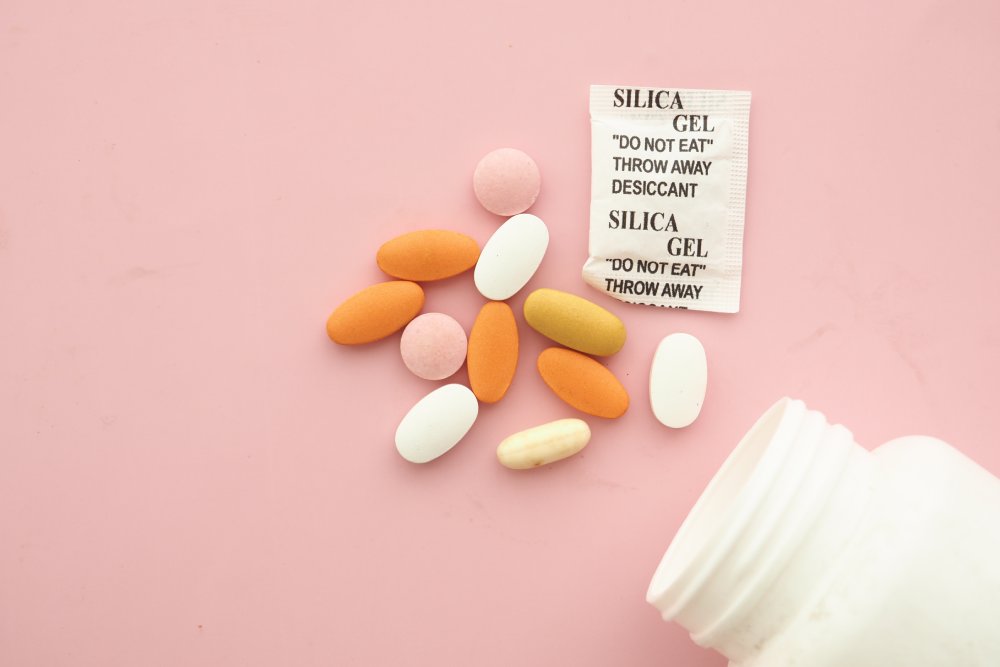
When it comes to pharmaceuticals, stability isn’t optional—it’s critical. Even slight exposure to moisture can compromise the safety, potency, and effectiveness of medications. That’s why moisture control is a top priority in pharmaceutical packaging, and why a desiccant used in pharmaceuticals plays such an essential role.
From over-the-counter tablets to prescription drugs and supplements, desiccants help maintain the integrity of medications throughout their shelf life.
Why Moisture Is a Serious Threat to Medications
Many medications are highly sensitive to humidity. Exposure to moisture can lead to:
- Chemical breakdown of active ingredients
- Reduced potency
- Tablet softening or disintegration
- Mold or microbial growth
Even in sealed containers, small amounts of trapped moisture can create problems over time. This is why manufacturers rely on desiccant in medication bottles to actively manage internal humidity levels.
What Is a Pharmaceutical Desiccant?
A desiccant used in pharmaceuticals is a moisture-absorbing substance specifically designed for medical and drug packaging. These desiccants are produced under strict quality standards to ensure they are safe, non-toxic, and effective.
Common types include:
- Silica gel
- Molecular sieves
- Clay desiccants
Among these, medical desiccant silica gel is one of the most widely used due to its high absorption capacity and stability.
How Medical Desiccant Silica Gel Works
Medical desiccant silica gel works by attracting and trapping moisture molecules from the air inside a sealed container. Once the medication bottle is closed, the silica gel begins reducing humidity levels immediately.
This creates a controlled micro-environment where:
- Moisture-sensitive ingredients remain stable
- Tablets retain their shape and texture
- Shelf life is extended
Unlike chemical preservatives, silica gel doesn’t interact with the medication itself—it simply controls the surrounding air conditions.
Desiccant in Medication Bottles: A Standard Practice
If you’ve ever opened a bottle of vitamins or prescription tablets, you’ve likely seen a small canister or packet inside. That’s the desiccant in medication bottles, and it’s there for a reason.
These desiccants are carefully sized based on:
- Bottle volume
- Product sensitivity
- Expected shelf life
- Storage conditions
They are typically placed inside:
- Plastic pill bottles
- Blister packaging systems
- Bulk pharmaceutical containers
Companies like Professional Packaging help pharmaceutical brands determine the right desiccant solution to match their packaging and regulatory requirements.
Types of Pharmaceutical Desiccant Formats
Desiccants come in different forms depending on the application:
Canisters
- Common in pill bottles
- Durable and easy to insert during production
Packets/Sachets
- Flexible and cost-effective
- Used in bulk packaging or larger containers
Integrated Desiccants
- Built into bottle caps or packaging materials
- Ideal for automated manufacturing processes
Choosing the right format ensures both efficiency in production and effectiveness in moisture control.
Compliance and Safety Considerations
Using a desiccant used in pharmaceuticals isn’t just about performance—it’s also about compliance. Pharmaceutical packaging must meet strict regulations to ensure patient safety.
Key considerations include:
- FDA compliance for materials
- Non-toxicity and inert composition
- Proper labeling (e.g., “Do Not Eat”)
- Compatibility with the medication
Working with experienced providers like Professional Packaging ensures that all desiccant solutions meet industry standards while maintaining packaging efficiency.
Packaging Design Matters
Desiccants don’t work in isolation—they’re part of a larger packaging system. The effectiveness of a desiccant in medication bottles depends heavily on:
- Airtight seals
- High-barrier materials
- Proper container sizing
A well-designed package minimizes moisture ingress while allowing the desiccant to do its job effectively. That’s why many pharmaceutical brands rely on partners like Professional Packaging to optimize both packaging structure and moisture control strategies.
FAQ: Desiccants in Pharmaceutical Packaging
What is the most common desiccant used in pharmaceuticals?
Medical desiccant silica gel is one of the most commonly used options due to its high absorption capacity and stability.
Are desiccants safe inside medication bottles?
Yes, pharmaceutical desiccants are designed to be non-toxic and safe. However, they should never be ingested.
Why is there a desiccant in medication bottles?
The desiccant in medication bottles helps control moisture, preventing degradation and maintaining the effectiveness of the medication.
Can desiccants affect the medicine itself?
No, desiccants do not chemically interact with medications. They only absorb moisture from the surrounding air.
Do all medications require desiccants?
Not all, but moisture-sensitive medications—especially tablets and capsules—often rely on a desiccant used in pharmaceuticals for protection.
Proper moisture control can make the difference between a medication that performs as intended and one that doesn’t. With the right desiccant strategy in place, pharmaceutical products remain safe, stable, and effective from production to patient use.
Related Articles
What Happens When Desiccant Systems Fail Inside Packaging
Desiccants are moisture-absorbing materials placed inside product packaging. The main goal is to help control…
[ READ MORE ]
How Can High Humidity Affect Nutraceutical Product Performance
Nutraceutical products are becoming a popular choice for people looking to support their health, whether…
[ READ MORE ]

How Do Packaging Gaps Lead to Customer Complaints and Returns
Product quality depends on more than what’s inside the package. Even small packaging gaps can…
[ READ MORE ]