
How Desiccants Preserve Food Items
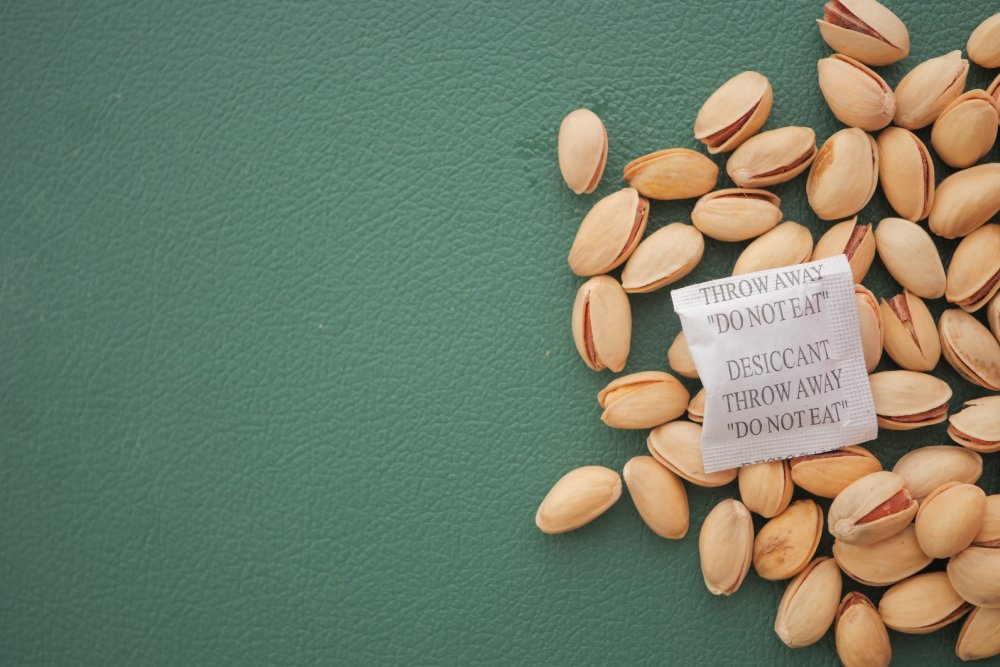
Keeping food fresh isn’t just about sealing it tight—it’s about controlling what you can’t see. Moisture is one of the biggest threats to food quality, quietly causing spoilage, mold growth, and texture changes long before a product reaches its expiration date. That’s where food desiccant packets come in.
Used across the food industry, desiccants play a critical role in extending shelf life and maintaining product integrity. Whether you’re packaging snacks, dried goods, or supplements, understanding how desiccants work can help you make smarter packaging decisions.
What Are Food Desiccant Packets?
Food desiccant packets are small pouches filled with moisture-absorbing materials designed to keep packaged products dry. You’ve likely seen them tucked inside bags of jerky, vitamins, or powdered mixes.
These packets typically contain materials like:
- Silica gel
- Clay
- Molecular sieves
Each of these substances is highly effective at جذب moisture from the surrounding environment, helping to maintain a stable internal atmosphere inside the packaging.
Why Moisture Control Matters in Food Packaging
Moisture is one of the leading causes of food degradation. Even a small amount of excess humidity can trigger:
- Mold and bacterial growth
- Clumping in powders and seasonings
- Loss of crispness in snacks
- Chemical breakdown of ingredients
By using food safe desiccant, manufacturers can prevent these issues before they start. Instead of reacting to spoilage, desiccants provide a proactive layer of protection.
This is especially important for products with long shelf lives or those exposed to varying storage conditions during shipping and retail display.
How Food Grade Desiccants Work
A food grade desiccant works by جذب and trapping moisture from the air inside a sealed package. Once the packaging is closed, the desiccant begins pulling in excess humidity, lowering the overall moisture level.
This creates a controlled environment where:
- Mold cannot grow
- Textures remain consistent
- Ingredients stay stable
Unlike preservatives, desiccants don’t interact chemically with the food itself. Instead, they manage the surrounding conditions, making them a safe and effective solution for a wide range of products.
Types of Foods That Benefit from Desiccants
Desiccants are widely used across different food categories, including:
- Dried fruits and jerky
- Snack foods like chips and crackers
- Powdered drink mixes and spices
- Nutritional supplements
- Pet food and treats
For brands working with sensitive or moisture-prone items, integrating desiccants into packaging is often essential—not optional.
Companies like Professional Packaging help businesses determine the right type and size of desiccant based on product needs, packaging format, and shelf life goals.
Choosing the Right Food Safe Desiccant
Not all desiccants are created equal, especially when it comes to food applications. Choosing a food safe desiccant means ensuring that the materials used are non-toxic and compliant with industry standards.
Key factors to consider include:
- Absorption capacity (how much moisture it can handle)
- Packaging size and volume
- Storage conditions (temperature, humidity exposure)
- Regulatory compliance
Working with an experienced packaging provider like Professional Packaging can help ensure the desiccant integrates seamlessly into your packaging system without compromising safety or performance.
Desiccants vs. Oxygen Absorbers
It’s common to confuse desiccants with oxygen absorbers, but they serve different purposes:
- Desiccants remove moisture
- Oxygen absorbers remove oxygen
In some cases, both are used together to create a highly controlled environment. However, if moisture is your primary concern, food desiccant packets are the solution you need.
The Role of Packaging Design
Desiccants work best when paired with the right packaging. Materials like flexible pouches, laminated films, and airtight seals help maximize their effectiveness.
A well-designed package ensures that:
- External moisture doesn’t seep in
- Internal humidity stays controlled
- The desiccant performs efficiently over time
That’s why many brands partner with experts like Professional Packaging to create packaging systems that combine structure, materials, and moisture control strategies.
FAQ: Food Desiccants
Are food desiccant packets safe to use?
Yes, food grade desiccant packets are specifically designed to be non-toxic and safe for use in food packaging. However, they should not be consumed.
Do desiccants touch the food directly?
Typically, no. They are placed inside the packaging but remain sealed within their own packet to avoid direct contact.
How long do desiccants last?
Their lifespan depends on the environment and packaging seal. In airtight packaging, they can remain effective for the full shelf life of the product.
Can I reuse desiccant packets?
In most food applications, desiccants are intended for single use to ensure safety and effectiveness.
Do all food products need desiccants?
Not all, but any product sensitive to moisture—like dried foods or powders—can benefit significantly from using food safe desiccant.
Related Articles
What Happens When Desiccant Systems Fail Inside Packaging
Desiccants are moisture-absorbing materials placed inside product packaging. The main goal is to help control…
[ READ MORE ]
How Can High Humidity Affect Nutraceutical Product Performance
Nutraceutical products are becoming a popular choice for people looking to support their health, whether…
[ READ MORE ]

How Do Packaging Gaps Lead to Customer Complaints and Returns
Product quality depends on more than what’s inside the package. Even small packaging gaps can…
[ READ MORE ]