
What Happens When Desiccant Systems Fail Inside Packaging
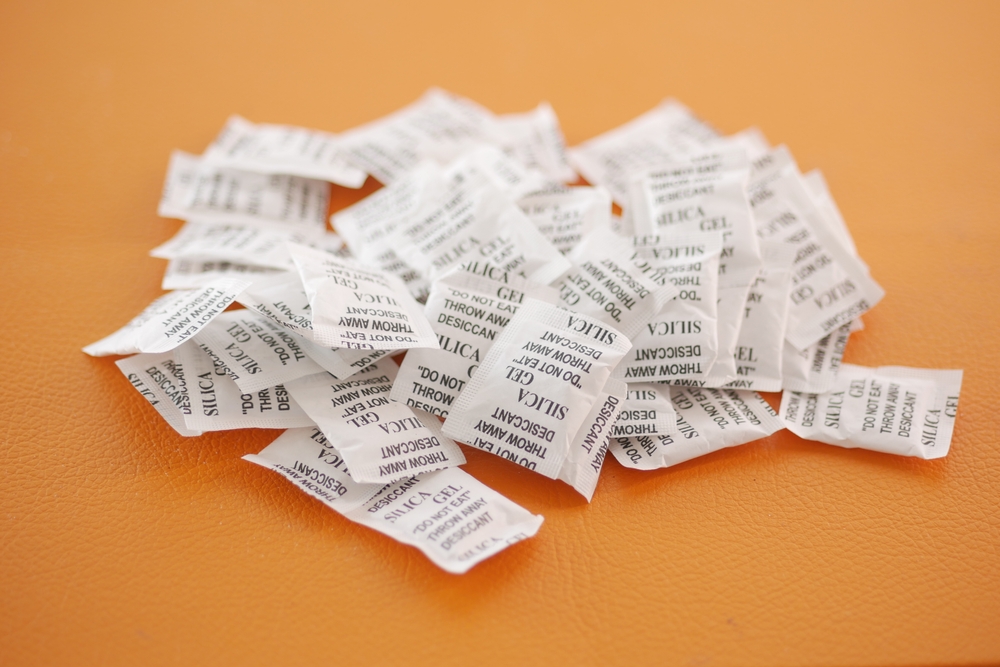
Desiccants are moisture-absorbing materials placed inside product packaging. The main goal is to help control moisture. They also protect sensitive products by removing excess moisture that could otherwise reduce shelf life (and quality over time). When these systems stop working as intended, products become more vulnerable to humidity and the problems it can cause.
Understanding desiccant failure effects is important for manufacturers and anyone responsible for product packaging and shipping. Failed desiccant systems may no longer absorb enough moisture, and this causes moisture to build up in the package. This can lead to other quality concerns before the product even reaches the customer. Knowing why desiccant systems fail and how to prevent them is an important part of protecting products throughout storage and shipping.
Table Of Contents
- How failed desiccant systems allow moisture to build up inside product packaging.
- Why excess humidity can reduce product quality and shorten shelf life.
- The most common reasons desiccant systems fail and how those issues develop.
- How storage conditions can make moisture problems worse during shipping and storage.
How Desiccant Failure Leads to Moisture Exposure
Desiccant systems have a fundamental design to absorb excess moisture before it can affect the product inside. When they fail, humidity is no longer controlled. This allows moisture to accumulate in the enclosed space. Even the smallest humidity increase can create conditions that threaten product quality over time.
Desiccant failure effects become more noticeable when moisture continues to build. Products that were packaged in a controlled environment may gradually lose that protection during storage or shipping. Without an effective moisture barrier, humidity remains trapped inside the package and continues affecting the product.
Manufacturers treat moisture control as an integral part of the packaging process. You can think of a desiccant system as a system that works alongside high-quality packaging materials to maintain a stable environment. When either component fails, humidity-related damage increases. Reliable packaging design is critical for protecting sensitive products from production through final delivery.
How Product Degradation Begins After Desiccant Failure
When a desiccant system can’t effectively control moisture, the product quality can begin to decline. More humidity naturally creates an environment where sensitive products become more vulnerable to damage. The changes might not be observed immediately, but over time, they worsen as they sit in storage.
The food industry is one sector where these considerations are particularly vital. They depend on consistent moisture control to maintain freshness and quality. Many manufacturers use food desiccant solutions, such as moisture-absorbing tubes and stoppers, to help protect packaged products. They capture excess humidity inside sealed containers to help extend shelf life.
Common signs of product degradation include:
- Clumping: Powders and other dry products can absorb moisture and begin sticking together, making them more difficult to use.
- Microbial growth: Excess moisture can create favorable conditions for mold or other microorganisms that compromise product safety.
- Reduced shelf life: Humidity accelerates product deterioration, causing products to lose quality sooner than expected.
Proper moisture control helps manufacturers reduce these risks and deliver products that remain safe and effective throughout storage and distribution.
Common Causes of Desiccant Failure and Why Storage Matters
Desiccant systems are highly effective, but they also have to be properly matched to the packaging and the environment. For example, if a desiccant is too small for the package, it may reach its moisture capacity too quickly. If that happens, it can no longer protect the product from humidity.
Packaging problems can also reduce desiccant performance. Leaks or small openings (even microscopic ones) allow outside air to enter the package. This introduces additional moisture that the desiccant was never designed to handle. These conditions often make desiccant failure effects more noticeable as humidity continues to build.
It’s also important to consider storage conditions. Any product stored in a humid or excessively warm environment will automatically place greater demands on moisture-control systems.
Higher temperatures also speed up the movement of moisture through packaging materials. This can make it even harder for desiccants to maintain a dry environment.
For manufacturers, preventing moisture damage starts with selecting the right desiccant and using quality packaging. Keeping seals secure is also essential. These simple steps help protect product quality during storage and shipping.
Protect Your Products With Reliable Moisture Control
The right desiccant system can make all the difference in protecting sensitive products. Professional Packaging offers moisture-control solutions designed to help maintain product quality and extend shelf life. Explore our packaging solutions to find the right fit for your application.
Related Articles
What Happens When Desiccant Systems Fail Inside Packaging
Desiccants are moisture-absorbing materials placed inside product packaging. The main goal is to help control…
[ READ MORE ]
How Can High Humidity Affect Nutraceutical Product Performance
Nutraceutical products are becoming a popular choice for people looking to support their health, whether…
[ READ MORE ]

How Do Packaging Gaps Lead to Customer Complaints and Returns
Product quality depends on more than what’s inside the package. Even small packaging gaps can…
[ READ MORE ]