
What Happens Inside a Sealed Pack Without Oxygen Management
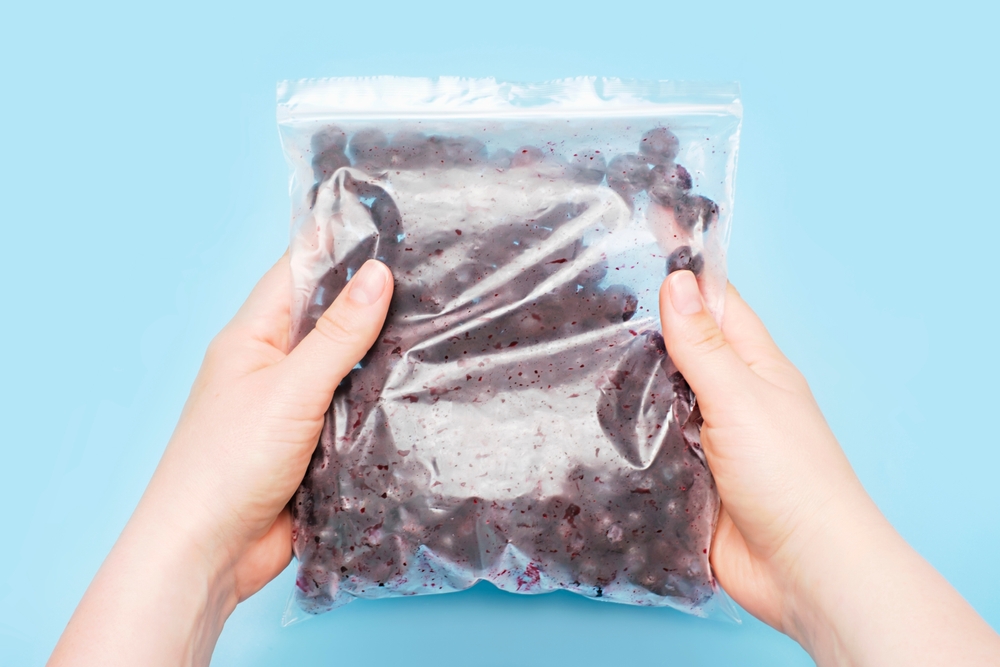
When people think of sealed products, they automatically assume they’re protected from moisture and outside air. If a product is sealed correctly, nothing can get in, right? That’s not exactly the case. The reality is that even sealed packaging can still contain oxygen trapped inside during the packing process. That small amount of leftover air may seem harmless, but over time, it can lead to major changes inside the package. From oxidation and spoilage to odor buildup and product deterioration, oxygen can quietly impact quality long before a customer opens the package.
Oxygen inside sealed packaging can be a nightmare for product quality and freshness. Take a closer look at what really happens inside sealed packaging when oxygen management is missing and how Professional Packaging can help.
Sealing a Package Doesn’t Remove Oxygen
To the ordinary person who handles a product, a sealed package is just a package. They might not realize that most sealed packages still contain residual oxygen trapped inside the container or pouch during production. Even advanced packaging methods can leave behind small amounts of oxygen. As that oxygen remains in the package, it continues to interact with the product inside over time, eventually affecting quality and texture.
Think about sealing leftovers in a plastic container at home. The lid may be airtight, but there’s still air trapped inside with the food. Commercial packaging works the same way unless oxygen is actively removed or absorbed. Some common products that can be highly sensitive to oxygen exposure include:
- Food products and nutritional supplements
- Pharmaceuticals
- Coffee
- Pet treats
- Dried goods
The longer a product sits on a shelf, the more oxygen it is exposed to. Without methods to eliminate oxygen inside sealed packaging, money and time are wasted.
Oxidation Continues Even in Closed Packaging
Sealed packages are effective at preventing contamination, but they also cause internal reactions that the eyes don’t notice. It’s a process that occurs over time (called oxidation). It occurs when oxygen reacts with the ingredients or materials inside the package. This process can alter taste, texture, color, smell, and overall product performance.
A good example is something you see in your daily activities. What happens to an apple that gets exposed to air? Or, a bag of chips that was left open overnight? Even vitamins can degrade when exposed to oxygen for extended periods. Inside sealed packaging, those same reactions continue. It’s just at a much slower pace. You can see why different industries invest in proper oxygen management techniques.
This is one of the biggest challenges large-scale manufacturers face. Everything looks good during packaging, but declines during shipping or retail display. By the time the customer opens the product, the damage may already be done. That’s why it’s imperative to consider having superior product protection for moisture- and oxygen-sensitive products
Gas Imbalances Can Create Unexpected Packaging Problems
Residual oxygen doesn’t only affect the product itself. It can also create changes within the package environment. As chemical reactions continue, gas imbalances may develop inside the sealed container. These imbalances can lead to noticeable packaging issues. Some examples are listed below:
- Swollen or bloated packaging
- Unpleasant odors
- Condensation buildup
- Package deformation
- Seal stress or failure
One example is how food products release gases as ingredients break down. Without proper oxygen control, pressure can build inside the package, leading to puffing or swelling. Customers are likely to assume swollen packaging indicates spoilage or contamination. That can happen even if the product isn’t yet expired. With that perception alone, it will negatively impact your brand. These problems highlight why packaging design involves more than simply creating a physical seal. Maintaining the proper internal atmosphere is equally important.
Why Oxygen Controlled Packaging Matters
Modern packaging is all about preservation, not just contamination from the outside. Companies today need packaging systems that actively protect products throughout storage, transportation, and shelf life. In competitive industries, even small improvements in shelf stability can make a major difference in customer satisfaction and product performance.
Key Takeaways
- A sealed package is not automatically oxygen-free. Small amounts of trapped air can remain inside after packaging.
- Chemical reactions continue inside closed packaging, which can slowly affect freshness and product stability over time.
- Long-term exposure to residual oxygen may impact how customers experience the product when they finally open the package.
Protect Product Quality with Professional Packaging
Understanding how to control oxygen inside sealed packaging requires careful consideration and working with a trusted professional. At Professional Packaging, we have a range of oxygen controlled packing solutions, including APPSORB® O₂. Learn more about these high-performance oxygen absorber packets and our other high-quality products today.
Related Articles
What Happens When Desiccant Systems Fail Inside Packaging
Desiccants are moisture-absorbing materials placed inside product packaging. The main goal is to help control…
[ READ MORE ]
How Can High Humidity Affect Nutraceutical Product Performance
Nutraceutical products are becoming a popular choice for people looking to support their health, whether…
[ READ MORE ]

How Do Packaging Gaps Lead to Customer Complaints and Returns
Product quality depends on more than what’s inside the package. Even small packaging gaps can…
[ READ MORE ]