
How to Reduce Spoilage in Oxygen-Sensitive Products
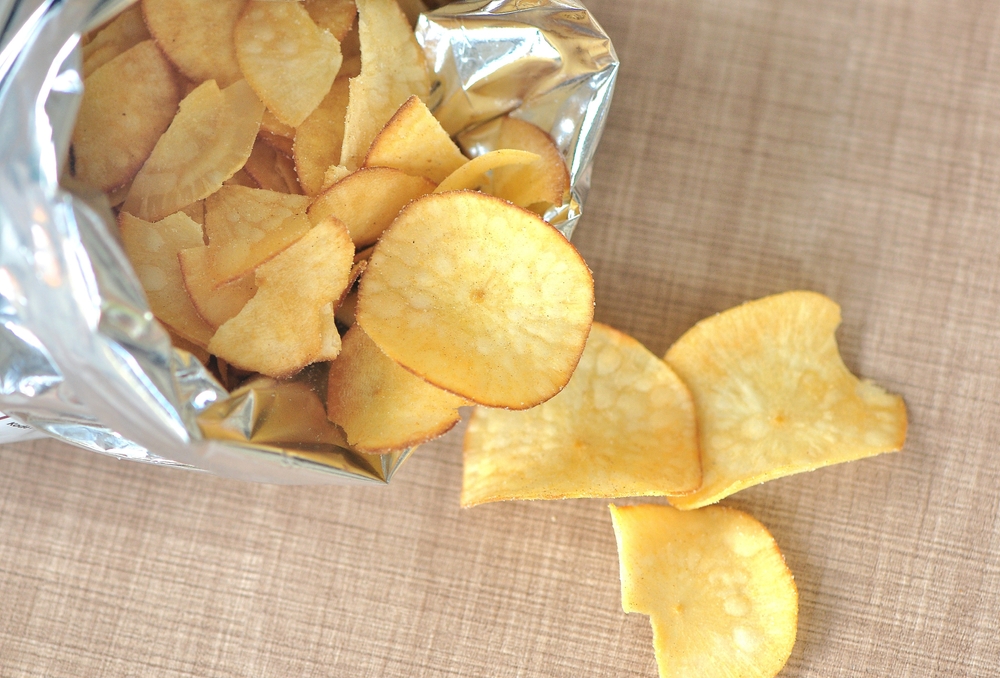
If you’ve ever opened a bag of chips only to find them stale or noticed cooking oil developing an unpleasant smell before its expiration date, you’ve already seen the effects of oxygen exposure. When we think of oxygen, it’s essential for life. However, it can be detrimental to food or product quality. From flavor changes to discoloration and nutrient loss, oxygen plays a major role in product spoilage across many industries.
Businesses that manufacture or produce food products need to pay close attention to oxygen-sensitive spoilage control. Whether you’re packaging snack foods, dairy powders, oils, or processed meats, protecting products from oxidation is one of the best ways to maintain quality and extend shelf life.
Understanding how professional packaging strategies help reduce spoilage is the cornerstone for productive businesses and satisfied customers.
Which Products Are Most Sensitive to Oxygen?
Not all products react to oxygen the same way. Some could sit on a shelf for months with minimal impact, while others would deteriorate quickly after exposure. Products that contain fats, oils, or delicate ingredients are especially vulnerable to oxidation. Common oxygen-sensitive products are listed below:
- Potato chips and snack foods
- Dairy powders like milk powder or whey protein
- Processed meats such as jerky and deli meats
- Coffee and tea products
- Nuts and seeds
- Pet foods and treats
Take an example with a bag of tortilla chips. As oxygen enters the package, the fats in the chips begin to oxidize. Over time, that process creates stale flavors and unpleasant odors. The same thing can happen with powdered dairy products, where exposure to oxygen can reduce freshness and affect nutritional quality.
While spoilage means unhappy customers, that isn’t the only problem for manufacturers. There is more waste and lost profits. Not to mention, possible recalls or liability issues. That’s why oxygen-sensitive spoilage control has become such an important part of modern packaging systems.
How Controlled Packaging Environments Reduce Spoilage
Limiting oxygen exposure from the beginning is one of the best ways to maintain product quality. Even minimal amounts impact the freshness or texture. A controlled packaging environment is necessary. Professional packaging systems use several methods to reduce oxygen exposure, including vacuum sealing and oxygen absorber technology. Each method helps create a safer environment for sensitive products.
Vacuum sealing involves removing most of the air from the package. Manufacturers can dramatically slow spoilage reactions. You’ve probably seen this with vacuum-sealed meats or coffee products at the grocery store. However, that alone doesn’t guarantee product quality and freshness.
Oxygen absorber packets are also critical in the food and healthcare industries. These packets actively remove remaining oxygen inside sealed packaging, helping preserve freshness and protect sensitive products from oxidation. In the food industry, nutritional value and texture are maintained. In healthcare and pharmaceutical settings, oxygen absorber packets help protect moisture-sensitive and oxygen-sensitive materials from degradation during storage and transportation.
The Important Role of Antioxidants
Antioxidants also help extend shelf life by preventing oxidation. They protect sensitive compounds from degrading when exposed to oxygen and light. Other advantages include:
- Prevents rancidity- Foul-smelling ketones occur when food breaks down.
- Maintains Appearance- In processed meats, antioxidants can help maintain color and flavor while preventing spoilage.
- Reduced waste- Improves long-term sustainability and proactively enhances operations.
Imagine leaving sliced apples on your kitchen counter. Within minutes, they begin turning brown because oxygen reacts with enzymes in the fruit. Adding lemon juice slows the browning process by acting as an antioxidant barrier. When antioxidants are combined with advanced packaging systems, businesses create a stronger defense against spoilage. This layered approach improves oxygen-sensitive spoilage control and helps products remain fresh longer throughout the supply chain.
Why Extended Shelf Life Matters
Spoilage isn’t the only problem manufacturers have to worry about. Comprised product quality also directly impacts profitability and customer satisfaction. Products that spoil too quickly must be discarded before they are sold. Customers also have to get rid of products earlier than they wanted because of spoiled items. Extending shelf life helps reduce that waste while improving product reliability.
For businesses, a longer shelf life creates several advantages:
- Less product loss during shipping and storing
- Expanded distribution opportunities
- Improved customer confidence
- Lower replacement and return costs
Think about a snack company that sells its products online to customers across the United States. Without proper packaging, oxygen exposure during transit could cause products to arrive at customers’ doors stale. Oxygen-sensitive spoilage control methods greatly extend shelf life and give manufacturers peace of mind for long-term productivity.
Professional Packaging Makes a Difference
Consumer expectations are higher than ever before, with consumers seeking quick delivery and exceptional product quality. Failing to provide what they expect will impact your bottom line. Oxygen-sensitive products require a thoughtful approach that balances packaging technology and ingredient protection. By investing in professional packaging systems, businesses can improve product performance, reduce waste, enhance the customer experience, and more.
At Professional Packaging, we provide top-notch industry-specific packaging solutions to control product quality, including oxygen absorber packets. Don’t hesitate to get a personalized quote specific to your industry. We look forward to helping you protect your brand reputation and ensuring customers are 100% satisfied.
Related Articles
What Happens When Desiccant Systems Fail Inside Packaging
Desiccants are moisture-absorbing materials placed inside product packaging. The main goal is to help control…
[ READ MORE ]
How Can High Humidity Affect Nutraceutical Product Performance
Nutraceutical products are becoming a popular choice for people looking to support their health, whether…
[ READ MORE ]

How Do Packaging Gaps Lead to Customer Complaints and Returns
Product quality depends on more than what’s inside the package. Even small packaging gaps can…
[ READ MORE ]