
How to Prevent Oxidation in Food Packaging Without Refrigeration
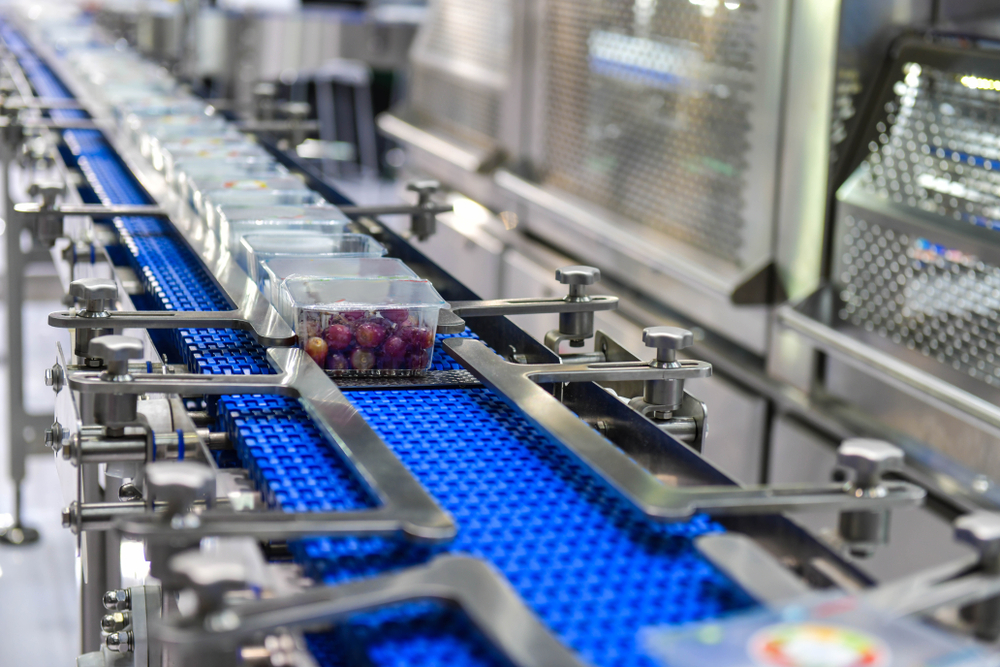
For the millions of packages shipped and stored across the country, one big challenge for room-temperature products remains: controlling oxygen exposure. It occurs when oxygen interacts with fats, oils, and other food compounds, leading to rancidity, discoloration, nutrient loss, and reduced shelf life. For manufacturers and food brands, solving this issue without refrigeration is essential to maintaining cost stability and achieving excellent customer satisfaction.
Oxidation prevention in food packaging has become a critical part of modern packaging strategy. By controlling oxygen exposure with advanced materials and technologies, foods can achieve higher quality and longer shelf lives.
Oxygen Barrier Packaging Materials
Oxygen prevention starts with using the right materials. These are specialized packaging films designed to block or significantly slow the movement of oxygen into the package. Multilayer films are commonly used because they combine different materials that serve different purposes, whether it’s strength or oxygen resistance.
For example, ethylene vinyl alcohol (EVOH) or polyamide layers are often incorporated into flexible packaging structures. The materials create a tight “barrier” that helps prevent oxygen molecules from penetrating the product. Vacuum sealing is another powerful method that removes air from the package before it is sealed, drastically reducing oxygen presence from the start. While the right material matters for packaging, other oxygen prevention products and solutions are also needed. Even small amounts of oxygen directly affect food quality and texture.
The Role of Oxygen Absorbers in Packaging
Even with strong exterior materials, it’s common to forget what’s happening on the inside of the package. Even with strong barriers, small amounts of oxygen can remain inside the package after sealing. This residual oxygen can still trigger oxidation over time. High-quality oxygen absorbers can be utilized to help, even if it’s only a small amount of oxygen. It matters for superior product quality. These absorbers are typically small sachets that contain iron powder or other oxygen-reactive materials. Once placed inside the package, they chemically bind with oxygen, reducing its presence to nearly zero. This creates a highly controlled internal environment that dramatically slows spoilage and degradation.
You can explore specialized oxygen control solutions at Professional Packaging, such as desiccant packets and sachets. Think how many industries rely on them, whether it’s baked goods, protein powders, coffee, spices, dried fruits, and more. They are especially useful when refrigeration is not an option, offering a simple yet powerful way to enhance freshness retention.
By combining absorbers with barrier films, oxidation prevention in food packaging becomes significantly more reliable and effective at maintaining product quality over time.
Modified Atmosphere Packaging (MAP) Technology
Modified Atmosphere Packaging (MAP) is another useful method for preserving food for longer periods. This is a careful, internal approach that involves replacing oxygen with other gases, such as nitrogen and carbon dioxide. Nitrogen is effective because it doesn’t react with the internal components of food. It also helps maintain the package’s shape and prevents delicate items from being crushed. Carbon dioxide can inhibit the growth of certain bacteria and mold, adding an extra layer of protection for foods that are more vulnerable.
Connecting Oxidation Control to Shelf Stability
Not every product can be refrigerated, and it’s imperative to find ways to preserve quality without refrigeration. That’s the goal of these methods above. Oxygen exposure must be eliminated with the right barriers and effective moisture-control solutions. The result is food products that retain nutritional value, texture, color, and taste (and ultimately, a happy customer).
Many food products are shipped across the country, and oxygen control becomes even more important. When manufacturers understand the role of oxidation prevention in food packaging, they become more efficient and improve buyer confidence. Most food quality issues occur during shipping or transport because they are exposed to fluctuating temperatures and oxygen infiltration due to poor quality control. As packages move through distribution networks, even small amounts of trapped oxygen can gradually degrade sensitive ingredients. By addressing oxidation early in the packaging process, manufacturers greatly enhance seamless production.
- Improving overall stability throughout production and distribution
- Strengthening packaging performance during shipping and handling
- Supporting longer-lasting product quality without refrigeration
Building Smarter Oxygen-Control Systems
Moisture and oxygen control are non-negotiable if you want to deliver high-quality food products to your customers. At Professional Packaging, we work with businesses across the United States to ensure their food products are safe and arrive with the quality consumers expect. Explore advanced solutions in oxygen controlled packaging and get the peace of mind you deserve.
Related Articles
What Happens When Desiccant Systems Fail Inside Packaging
Desiccants are moisture-absorbing materials placed inside product packaging. The main goal is to help control…
[ READ MORE ]
How Can High Humidity Affect Nutraceutical Product Performance
Nutraceutical products are becoming a popular choice for people looking to support their health, whether…
[ READ MORE ]

How Do Packaging Gaps Lead to Customer Complaints and Returns
Product quality depends on more than what’s inside the package. Even small packaging gaps can…
[ READ MORE ]