
What Happens to Packaged Products When Oxygen Is Not Controlled

Whenever anyone picks up a product from the shelf, they expect freshness or quality. Most consumers don’t realize the meticulous process involved in preserving that product or food. More specifically, controlling oxygen. Even small amounts of oxygen trapped inside packaging can create serious problems over time. From spoiled flavors to harmful bacteria growth, uncontrolled oxygen exposure can quickly damage products and shorten shelf life.
Most, if not all, U.S.-based companies are taking time to understand and invest in oxygen exposure packaging solutions. Whether it is food, supplements, pharmaceuticals, or pet products, controlling oxygen levels helps maintain quality while reducing waste. It’s also important to brand reputation and customer loyalty. Learn more about why this matters.
Oxygen Triggers Oxidative Reactions
When we think about oxygen, we associate it with giving life. However, it negatively impacts your products due to a process called oxidation. Oxidation occurs when oxygen interacts with ingredients in packaged products, altering their chemical structure. These reactions often lead to noticeable declines in quality. The effects differ depending on the product. However, more manufacturers are proactively working on quality control.
For example, oils and fats can become rancid when exposed to oxygen. Instead of tasting fresh, products develop unpleasant flavors and odors, making them unappealing to consumers. Chips, nuts, coffee, jerky, and baked goods are especially vulnerable to this issue. Oxygen can also discolor products, making them unappealing to consumers. This is normally automatically connected to spoilage, even if the product is still good. That costs manufacturers money and time. Companies that use oxygen exposure packaging methods can slow these reactions and help preserve freshness for much longer periods.
Oxygen Encourages Microbial Growth
While oxygen can trigger chemical reactions, it also creates a perfect environment for microorganisms to thrive. Mold relies on oxygen to grow and thrive. Even with a vacuum-sealed package, mold can spread if residual oxygen is trapped within the packaging.
Once mold begins to spread throughout the package, products spoil very quickly. Mold may appear on baked goods, dairy products may sour, and dry foods can develop unpleasant smells or textures. In some cases, contamination may not be visible right away, creating additional risks for consumers. It also creates liability for the company, as it is responsible for consumer safety and may face legal action or recalls if a contaminated product is consumed. You can see the value of oxygen control, even if superior exterior packaging methods are used. Even minimal amounts impact product consistency. Investing in precise oxygen control is essential not only for product quality but also for maintaining consumer trust and avoiding costly failures.
Quality Degradation Happens Faster Without Oxygen Control
Manufacturing companies have stiff competition because customers expect high standards of quality and freshness. One instance of poor product quality can result in losing a customer forever. While they might notice issues right away, not controlling oxygen effectively results in negative changes much quicker than the actual expiration date. Some of the most common issues include:
- Texture is becoming stale or dry.
- Off flavors that create unpleasant taste experiences
- Loss of aroma in products like coffee, spices, dried snacks, or protein powders
- Reduced shelf life that limits retail performance
- Visible discoloration that affects customer confidence
The Connection Between Oxygen Control and Consumer Safety
Quality products and customer safety should be the focus of any manufacturing company. While some have good intentions, not investing in proper oxygen exposure packaging also greatly puts your consumers at risk. Spoilage in products can cause allergic reactions or unwanted side effects, such as vomiting or even severe food poisoning, due to the growth of harmful pathogens. Recalls and wasted shipments are a sure way to put financial strain on any organization. Effective oxygen control supports product stability and gives you peace of mind that your customers are safe.
Oxygen Controlled Packaging Matters
At Professional Packing, we are honored to serve multiple industries that depend on quality methods to control moisture and oxygen levels. We serve the following sectors:
- Healthcare and supplements
- Food and ingredients
- Animal care and treats
- Wellness and nutritional supplements
- Pharmaceuticals
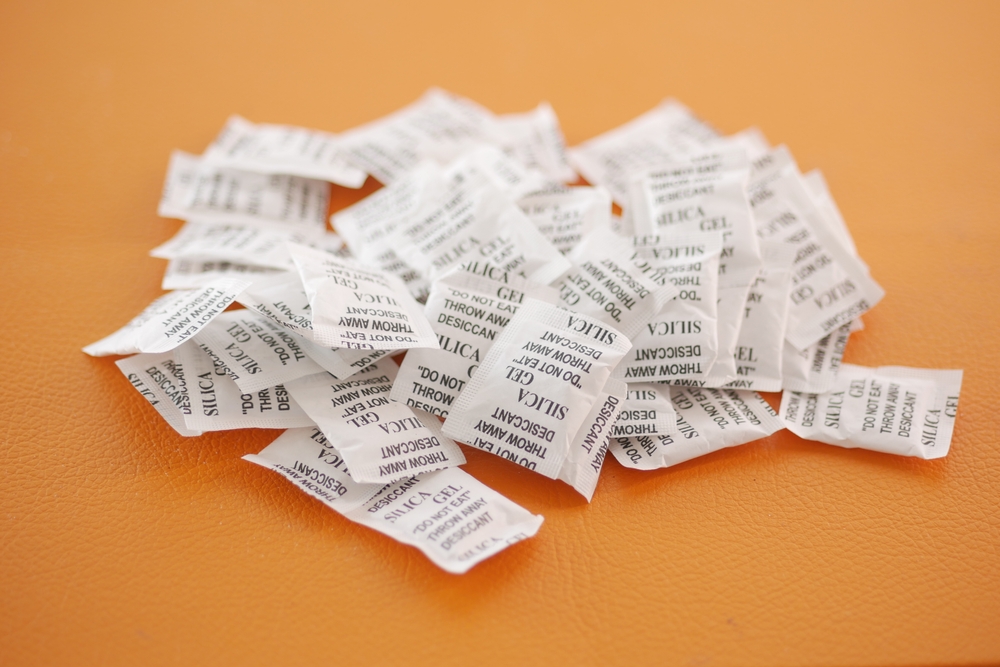
Our oxygen controlled packaging products include a wide variety of desiccant packs, desiccant sachets, desiccant bags, tubes, and stoppers that protect moisture and most oxygen-sensitive products. From food manufacturers to pharmaceutical companies, oxygen management can make a major difference in product performance. If your business wants to improve product protection and reduce spoilage, get a quote today.
Related Articles
What Happens When Desiccant Systems Fail Inside Packaging
Desiccants are moisture-absorbing materials placed inside product packaging. The main goal is to help control…
[ READ MORE ]
How Can High Humidity Affect Nutraceutical Product Performance
Nutraceutical products are becoming a popular choice for people looking to support their health, whether…
[ READ MORE ]

How Do Packaging Gaps Lead to Customer Complaints and Returns
Product quality depends on more than what’s inside the package. Even small packaging gaps can…
[ READ MORE ]