
What Packaging Techniques Help Eliminate Oxygen Exposure
With the boom of modern industrial and food packaging, controlling oxygen is one of the most crucial factors in maintaining product quality. Oxygen can cause oxidation, spoilage, flavor loss, and reduced shelf life, especially in sensitive products such as snacks, coffee, and ready-to-eat foods. Oxygen barrier packaging techniques are a primary concern for packagers to prevent products from being compromised.
The methods explained below aren’t just to “contain” the product. They actively manage the package’s internal environment to slow deterioration and maintain quality from production to consumption.
Vacuum Packaging: Removing Air for Maximum Protection
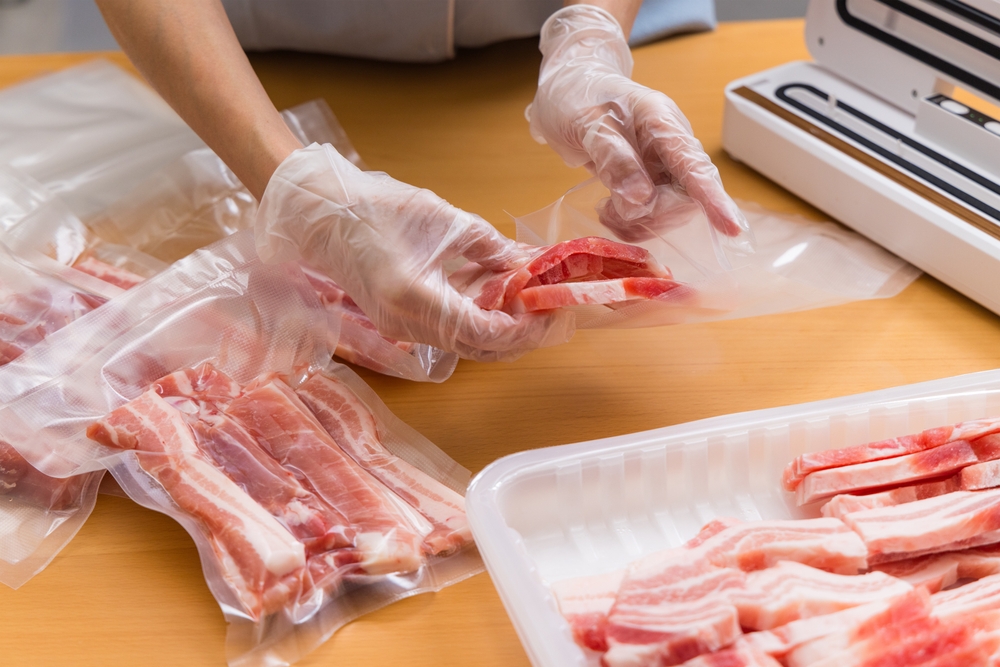
Vacuum packaging is a widely used method to help reduce oxygen exposure. Oxygen is the primary driver of oxidation, so this process helps eliminate that problem. The product being vacuum-sealed is placed inside a high-barrier film, and a machine removes the air from the package.
Once air is removed, it’s tightly sealed to prevent oxygen from re-entering the space. This creates a low-oxygen environment that helps preserve texture and the original quality. This method is especially effective for extending shelf life and reducing spoilage in perishable goods. It is also commonly used in commercial food packaging, where maintaining product integrity during transport and storage is critical.
Modified Atmosphere Packaging: Replacing Oxygen with Protective Gases
Modified atmosphere packaging (MAP) is another effective technique for preserving your item. It releases ambient air inside a food package with other mixtures of gases:
- Nitrogen: This odorless gas acts as a filler, displacing oxygen and preventing the package from collapsing. It’s needed for products that travel long distances, such as snack foods, coffee beans, and packaged baked goods shipped to retail stores or export markets, where maintaining freshness and preventing oxidation during transport is essential.
- Carbon Dioxide: This is an antimicrobial gas helping to prevent mold and bacteria. When CO₂ is introduced into a sealed package, it can dissolve slightly into the moisture on the food’s surface. This makes conditions less favorable for microbial growth.
Active Packaging Solutions: Smart Oxygen Control
Modern packaging has evolved into unique solutions that go beyond oxygen removal. There are active systems that continuously manage oxygen levels inside the package. Active packaging solutions may include oxygen scavengers or smart materials designed to absorb residual oxygen over time. They are highly beneficial because they continue to work even after the product has been sealed.
This is particularly useful for sensitive products where even small amounts of oxygen can cause quality degradation. By continuously controlling the internal environment, active packaging provides an additional layer of protection beyond traditional methods. For example, it is used in packaged coffee, pharmaceutical tablets, and vitamin supplements. Any slight exposure to oxidation can quickly reduce potency or effectiveness.
These innovations are continuing to improve oxygen barrier packaging techniques. For businesses that want to improve their bottom line, it also translates into long-term cost savings by reducing product waste, minimizing returns, and extending shelf life. It all impacts supply chain efficiency.
Industry Applications: Where Oxygen Control Matters Most
Oxygen control is critical to many different industries that rely on product quality and freshness. Several food categories rely heavily on these packaging systems:
- Snacks – Helps maintain crunchiness and prevents oxidation-induced staleness.
- Coffee- Millions of people drink coffee daily. Oxygen control is needed for coffee packaging to preserve freshness and flavor profiles.
- Ready to eat foods- Freshness and safety are handled effectively during transport with excellent oxygen control.
Why Oxygen Control Matters in Packaging
Imagine leaving one of your favorite snacks, like a bag of chips, open on the counter. It gets stale and loses texture or flavor pretty quickly. When oxygen sneaks into packages, it feeds bacteria. Companies can help keep items fresh and maintain the product’s original texture and feel by controlling oxygen levels. It’s like hitting the pause button on the aging process. Things stay exactly how they are supposed to until you open them.
The combination of vacuum systems, gas replacement, and active absorption technologies creates a multi-layered defense against oxygen exposure. This makes packaging much more effective than traditional sealing methods. It continues to evolve as new materials and smart technologies are introduced.
Learn More About Professional Packaging And Oxygen Barrier Packaging Techniques
For any manufacturer in the food or healthcare industries, reducing oxygen exposure in their packages should be a priority. We have a comprehensive selection of atmosphere control techniques, including oxygen absorbing packets. To learn more about how these solutions can improve shelf life and product stability, explore our full range of packaging systems designed for effective oxygen management. Partner with Professional Packaging to create smarter, longer-lasting protection for your products.
Related Articles
What Happens When Desiccant Systems Fail Inside Packaging
Desiccants are moisture-absorbing materials placed inside product packaging. The main goal is to help control…
[ READ MORE ]
How Can High Humidity Affect Nutraceutical Product Performance
Nutraceutical products are becoming a popular choice for people looking to support their health, whether…
[ READ MORE ]

How Do Packaging Gaps Lead to Customer Complaints and Returns
Product quality depends on more than what’s inside the package. Even small packaging gaps can…
[ READ MORE ]